Unlocking Men's Vitality: A Comprehensive Guide to Natural Nutritional Support

Discover the science behind natural nutrition and how vitamins, minerals, and healthy lifestyle choices support overall well-being and energy

Educational content only. No promises of outcomes.

The Foundation of Men's Health

Men's health encompasses multiple dimensions, with nutrition playing a central role in maintaining energy, supporting bodily functions, and promoting overall well-being. A balanced approach to nutrition—combined with regular physical activity, adequate sleep, and stress management—creates the foundation for a healthy lifestyle.

Understanding the role of vitamins and minerals is essential for making informed decisions about diet and nutrition. This educational resource explains how various nutrients contribute to the body's fundamental processes, from energy production to immune function.

A comprehensive approach to well-being recognizes that the human body is complex, and individual nutritional needs vary. This guide presents information about natural nutritional support without making medical claims or suggesting treatments for specific conditions.

Essential Vitamins for Men

Vitamins are organic compounds essential for various bodily functions. They support energy production, immune function, bone health, and many other processes. Understanding the roles of key vitamins helps in appreciating the importance of diverse nutrition.

Vitamin Key Roles Food Sources
B-Complex Vitamins Energy metabolism, nerve function, cell growth Eggs, whole grains, salmon, leafy greens
Vitamin C Immune support, collagen formation, antioxidant protection Citrus fruits, berries, peppers, broccoli
Vitamin D Calcium absorption, bone health, immune function Fatty fish, egg yolks, mushrooms, sunlight exposure
Vitamin E Antioxidant protection, cell function Nuts, seeds, vegetable oils, leafy greens
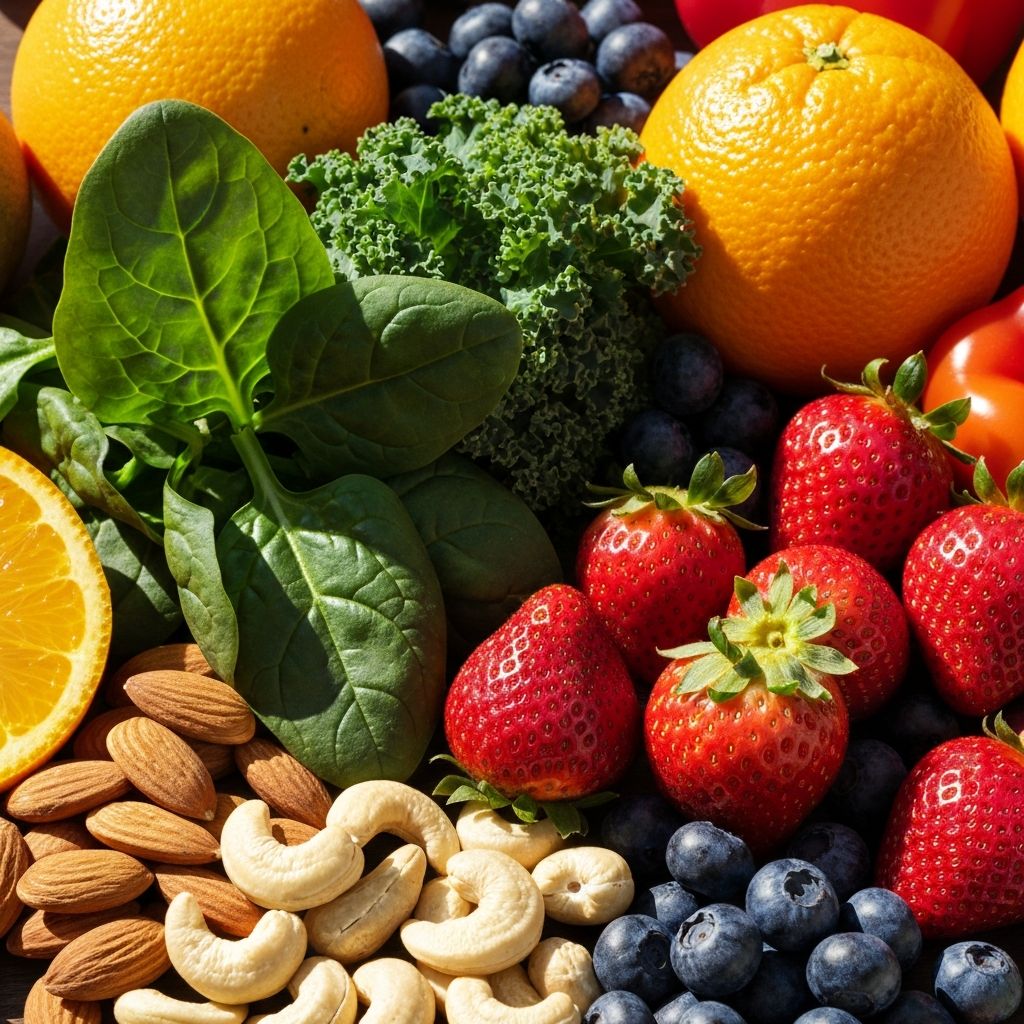
Fresh colorful fruits and vegetables rich in vitamins

Key Minerals for Optimal Function

Minerals are inorganic elements that support bone structure, muscle function, nerve transmission, and many metabolic processes. Three particularly important minerals deserve detailed attention.

Zinc

This essential trace mineral supports immune function, cell growth, protein synthesis, and wound healing. Zinc plays important roles in DNA synthesis and cell division.

  • Supports immune cell function
  • Essential for protein metabolism
  • Contributes to healthy aging
Oysters and zinc-rich foods

Magnesium

This mineral is involved in over 300 enzymatic reactions in the body. It supports muscle function, energy production, nervous system function, and bone health.

  • Supports muscle relaxation
  • Aids energy production
  • Promotes nervous system balance
Almonds, avocados, and magnesium-rich foods

Selenium

A powerful antioxidant mineral that supports thyroid function, immune response, and protects cells from damage. Selenium works synergistically with vitamin E.

  • Antioxidant protection
  • Supports thyroid health
  • Aids immune function
Brazil nuts and selenium-rich foods

Natural Dietary Sources

The most accessible way to obtain vitamins and minerals is through a varied, balanced diet rich in whole foods. Nature provides diverse options across all food groups.

Fruits and Vegetables: Colorful produce is rich in vitamins C and K, folate, potassium, and numerous beneficial plant compounds.

Proteins: Fish, poultry, eggs, legumes, and nuts provide not only protein but also important minerals like zinc, selenium, and magnesium.

Whole Grains: These foods provide B vitamins, magnesium, manganese, and fiber, supporting energy and digestive health.

Healthy Fats: Nuts, seeds, and oils contain vitamin E and support the absorption of fat-soluble vitamins.

Understanding Supplement Forms

Natural supplements come in various forms, each with different characteristics. Understanding these formats helps in recognizing the diversity of nutritional products available.

Capsules: Plant-based or gelatin capsules containing powdered nutrients. They are convenient and easy to swallow, with consistent dosing.

Tablets: Compressed forms of nutrients, often combined with binding agents. They offer stability and long shelf life.

Powders: Loose nutrient powders that can be mixed with beverages. They allow flexible dosing and often come in larger quantities.

Liquids: Nutrient solutions in liquid form. These offer rapid absorption and are suitable for those who have difficulty swallowing.

Various supplement forms including capsules, tablets, and powders

The Role of Antioxidants

Antioxidants are compounds that help protect cells from oxidative stress, a natural process that occurs during cellular metabolism. Many vitamins and minerals function as antioxidants or work alongside them.

Common antioxidant compounds include vitamins C and E, selenium, and various plant compounds found in fruits, vegetables, nuts, and seeds. These substances help maintain cellular health and support the body's natural defense mechanisms.

A diet rich in colorful fruits and vegetables naturally provides a broad spectrum of antioxidant compounds, contributing to overall nutritional support.

Fresh berries rich in antioxidants

Lifestyle and Well-being

Nutritional support is most effective when combined with other healthy lifestyle practices. Three key areas complement proper nutrition in supporting overall well-being.

Physical Activity: Regular exercise supports cardiovascular health, bone density, muscle function, and mental well-being. Movement and activity naturally support the body's utilization of nutrients.

Sleep Quality: Adequate, quality sleep is essential for recovery, metabolic health, immune function, and mental clarity. During sleep, the body conducts essential repair and restoration processes.

Stress Management: Chronic stress affects various bodily systems. Healthy stress management practices—whether through meditation, exercise, social connection, or hobbies—support overall well-being and optimize how the body uses nutrients.

Dispelling Common Myths

Around natural supplements and nutrition, various misconceptions circulate. This section addresses common myths with information based on scientific understanding.

Myth: "Natural supplements are always safer than synthetic ones." Reality: The origin (natural or synthetic) of a compound doesn't determine safety—purity, dosage, and quality control matter more. Many synthetic nutrients are identical to natural ones at the molecular level.

Myth: "More is always better." Reality: Balance and appropriate dosing are important. Excess intake of certain nutrients can be problematic, which is why following guidelines and consulting appropriate professionals is valuable.

Myth: "Supplements can cure diseases." Reality: Supplements support nutritional health; they don't treat, cure, or prevent disease. Medical conditions require professional medical evaluation and care.

Scientific illustration representing facts and evidence

Glossary of Terms

Antioxidant
A compound that helps protect cells from oxidative stress by neutralizing harmful free radicals.
Bioavailability
The extent to which a nutrient can be absorbed and utilized by the body.
Enzyme
A protein that speeds up chemical reactions in the body, essential for metabolism and nutrient utilization.
Mineral
An inorganic element essential for various bodily functions, including bone health and enzyme activity.
Metabolism
The sum of chemical processes in the body that convert nutrients into energy and building materials.
Micronutrient
A nutrient required in small amounts by the body, including vitamins and minerals.
Phytonutrient
Beneficial compounds found in plants that support health beyond basic nutrition.
Vitamin
An organic compound essential for various bodily functions, obtained through diet.

Further Reading & Resources

To deepen your understanding of nutrition and health, consider exploring resources from reputable scientific and health organizations. Many universities and government health agencies publish peer-reviewed research and evidence-based information on nutrition.

Topics for Further Exploration:

Important Context and Limitations: All materials on Punor.info are provided strictly for informational and educational purposes. This content does not constitute individual medical advice, recommendations, or endorsements of specific products or treatments. The human body is complex, and individual responses to nutritional approaches vary widely. Information provided here should not be used as a substitute for professional medical consultation or personal healthcare decisions.